Is Medical Cannabis Safe for Daily Use?
Medical cannabis has become a widely discussed topic in recent years, especially as more regions legalize its use for various health conditions. Patients dealing with chronic pain, anxiety, sleep disorders, and other issues are increasingly turning to cannabis as part of their daily routine. But an important question remains: is medical cannabis actually safe for daily use?
The answer is not as simple as yes or no. Like many treatments, the safety of daily cannabis use depends on several factors, including dosage, method of consumption, individual health conditions, and medical supervision. Understanding these aspects can help patients make informed and responsible decisions.
Understanding Medical Cannabis
Medical cannabis refers to the use of cannabis or its compounds, primarily cannabinoids like THC and CBD, for therapeutic purposes. THC is known for its psychoactive effects, while CBD is non-intoxicating and often used for its calming and anti-inflammatory properties.
Doctors may recommend medical cannabis for conditions such as chronic pain, epilepsy, multiple sclerosis, anxiety disorders, and insomnia. In many cases, patients use it daily to manage ongoing symptoms that do not respond well to traditional medications.
Potential Benefits of Daily Use
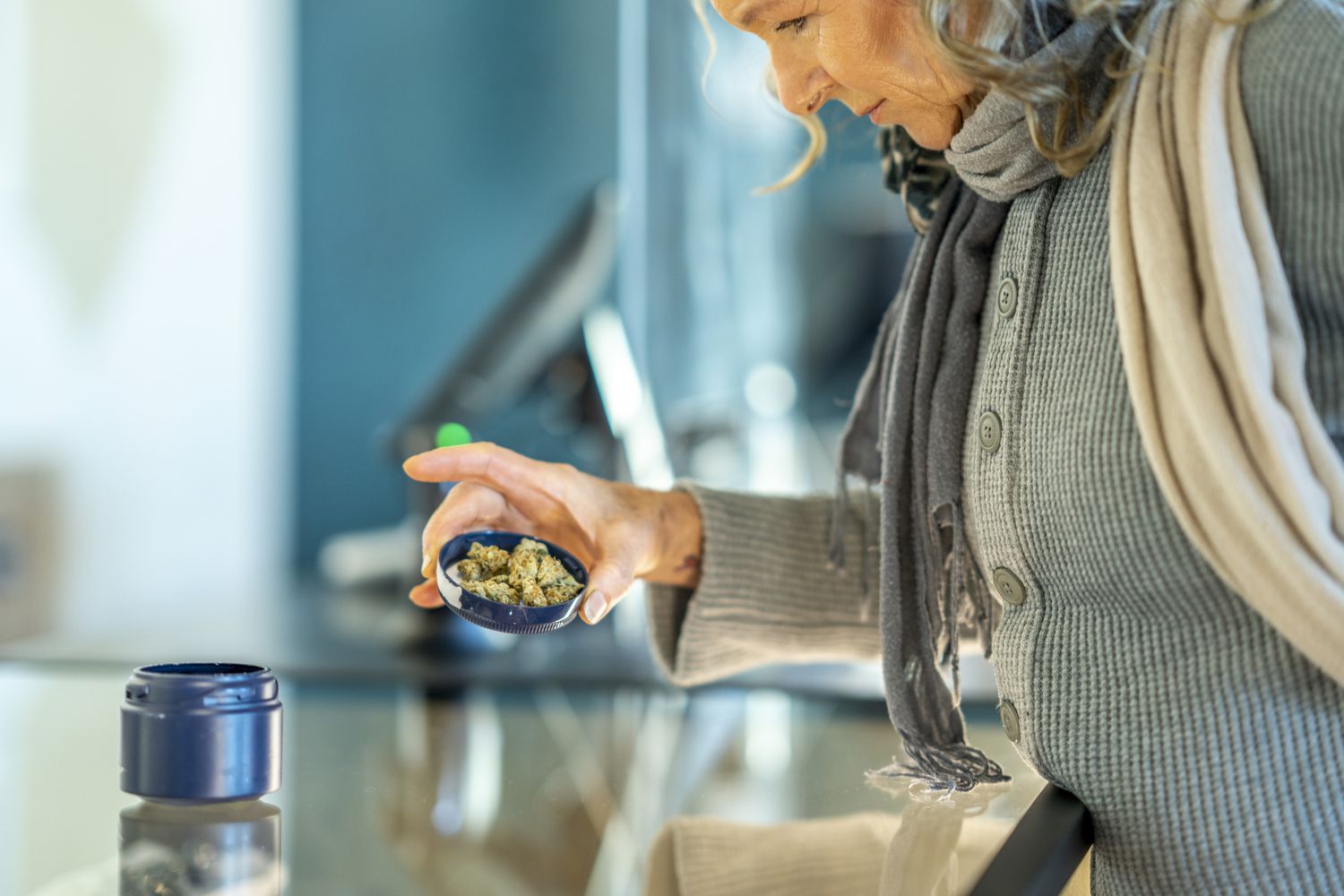
For some patients, daily use of medical cannabis can provide consistent relief and improve quality of life. For example, individuals with chronic pain conditions often find that regular dosing helps maintain a stable level of comfort throughout the day.
Similarly, people dealing with anxiety or sleep disorders may benefit from routine use, as it can help regulate mood and promote better sleep patterns. CBD-rich products, in particular, are commonly used daily because they typically do not produce strong psychoactive effects.
Another advantage is that medical cannabis may reduce reliance on other medications, especially opioids or sleep aids, which often carry higher risks of dependency and side effects.
Risks and Side Effects
Despite its benefits, daily use of medical cannabis is not completely risk-free. Some users may experience side effects such as dizziness, dry mouth, fatigue, or impaired concentration. These effects are usually mild but can interfere with daily activities if not managed properly.
Long-term use, especially of high-THC products, may lead to tolerance. This means patients might need higher doses over time to achieve the same effect, which can increase the risk of side effects.
There is also the possibility of dependency. While cannabis is generally considered less addictive than many prescription drugs, some individuals may develop a habit, particularly if they use it without medical guidance.
Mental health is another consideration. In some cases, excessive THC use may worsen anxiety, trigger paranoia, or affect mood stability. This is why choosing the right strain and dosage is crucial.
Importance of Medical Supervision
One of the key factors in determining whether daily use is safe is medical supervision. A qualified healthcare provider can help tailor the treatment plan based on the patient’s condition, tolerance level, and overall health.
Doctors typically recommend starting with a low dose and gradually increasing it until the desired effect is achieved. This approach, often called “start low and go slow,” minimizes the risk of adverse effects.
Regular check-ins with a healthcare provider can also help monitor progress and make necessary adjustments. This ensures that the patient continues to benefit from the treatment without compromising safety.
Choosing the Right Consumption Method
The method of consumption plays a significant role in safety. Smoking cannabis may provide quick relief, but it can also irritate the lungs if used daily. Alternatives like oils, tinctures, capsules, and edibles are often considered safer for long-term use.
Vaporization is another option that reduces exposure to harmful toxins compared to smoking. Each method has its pros and cons, and the choice should be based on individual preferences and medical advice.
Who Should Be Cautious?
Not everyone is an ideal candidate for daily medical cannabis use. Pregnant or breastfeeding individuals should avoid it due to potential risks to the baby. People with a history of substance abuse or certain mental health conditions should also use caution.
Additionally, those taking other medications should consult their doctor, as cannabis can interact with certain drugs and affect how they work.
Legal and Access Considerations
Access to medical cannabis depends on local laws and regulations. Patients must follow the proper legal process to obtain and use it safely. This often includes getting approval from a licensed physician and registering with a state program.
For example, individuals exploring how to qualify for a medical marijuana card Maryland program online should ensure they meet eligibility criteria and consult certified providers to stay compliant with state laws.
Final Thoughts
So, is medical cannabis safe for daily use? For many patients, the answer is yes, but only when used responsibly and under medical guidance. The key lies in proper dosing, choosing the right products, and staying informed about potential risks.
Medical cannabis is not a one-size-fits-all solution. What works well for one person may not be suitable for another. By working closely with a healthcare professional and paying attention to how your body responds, you can determine whether daily use is a safe and effective option for your needs.
Ultimately, the goal is to improve quality of life while minimizing risks. With the right approach, medical cannabis can be a valuable part of a balanced and well-managed treatment plan.method of consumption