Beginner’s Guide to Using Cannabis Safely
Cannabis is becoming more widely accepted for both medical and personal use, but for beginners, it can still feel confusing. There are different products, different methods of use, and different effects depending on the strain and dosage. If you are new to cannabis, the most important thing to focus on is safety, awareness, and informed decision making.
This guide will walk you through the basics in a simple and practical way so you can feel more confident and responsible if you decide to try cannabis.
Understand Why You Want to Use It
Before anything else, ask yourself why you are interested in cannabis. Some people use it for relaxation. Others use it to manage discomfort, improve sleep, reduce stress, or support overall wellness. Your purpose will help guide what type of product and method may be suitable for you.
If your goal is medical support, it is always wise to speak with a qualified healthcare professional first. Cannabis affects everyone differently, and having guidance can help reduce unwanted effects.
Start Low and Go Slow
This is the golden rule for beginners.
Many first time users make the mistake of taking too much too quickly, especially with edibles. Cannabis products vary in strength, and even a small amount can feel strong if your body is not used to it.
If you are smoking or vaping, take one small inhale and wait several minutes to see how you feel. If you are using edibles, start with the lowest available dose and wait at least two hours before considering more. Edibles take longer to kick in because they must be digested first. Being patient can prevent uncomfortable experiences such as anxiety, dizziness, or nausea.
Know the Different Methods of Use
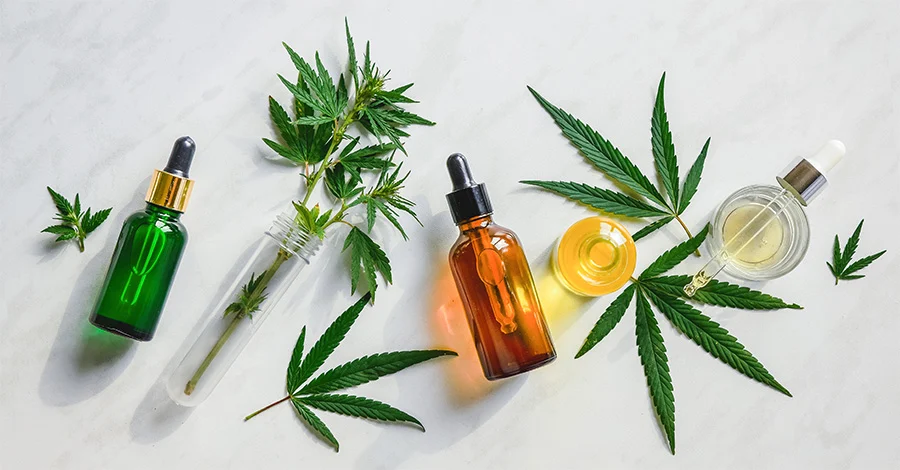
There are several ways people use cannabis, and each method has different onset times and durations.
Smoking or vaping produces faster effects, usually within minutes, but the effects may wear off sooner. Edibles take longer to begin but often last several hours. Tinctures and oils placed under the tongue can act somewhere in between.
Beginners often prefer methods that allow easier dose control. Understanding how long each method lasts can help you plan responsibly, especially if you have work or other responsibilities later in the day.
Pay Attention to Your Environment
Your surroundings matter more than you might think.
If it is your first time, choose a comfortable and familiar place. Avoid crowded or stressful environments. Being around trusted friends can help you feel safe and relaxed. Avoid mixing cannabis with alcohol or other substances. Combining substances increases the chance of unwanted side effects and makes it harder to judge how cannabis is affecting you.
Learn About Possible Side Effects
While many people tolerate cannabis well, it is important to understand possible side effects. These may include dry mouth, red eyes, increased heart rate, drowsiness, anxiety, or short term memory changes.
If you ever feel overwhelmed, remind yourself that the effects are temporary. Sit down, drink water, and focus on slow breathing. Resting in a calm space usually helps. If symptoms feel severe or unusual, seek medical attention.
Being informed reduces fear and helps you respond calmly if something unexpected happens.
Store Cannabis Safely
Responsible use includes safe storage.
Keep cannabis products out of reach of children and pets. Store them in clearly labeled containers, especially edibles that may look like regular snacks or candy. Safe storage prevents accidental ingestion and keeps everyone in your household protected.
Understand Local Laws
Cannabis laws vary depending on where you live. Some regions allow recreational use, others only permit medical use, and some still restrict it entirely.
Make sure you understand your local regulations before purchasing or using cannabis. This includes knowing age restrictions, possession limits, and rules about public use. Driving under the influence of cannabis is illegal in many places and can be dangerous.
If you are considering cannabis for medical purposes, you may need to meet specific eligibility requirements under state law. For example, individuals exploring access through a medical marijuana card Maryland program should carefully review the official guidelines and consult licensed professionals before applying.
Listen to Your Body
Everyone’s body chemistry is different. A dose that feels mild to one person may feel strong to another. Keep track of what you use, how much you use, and how it makes you feel. Some beginners find it helpful to write down their experiences in a small journal.
If cannabis does not feel right for you, that is completely okay. Safe use also means knowing when something is not a good fit for your body or lifestyle.
Final Thoughts
Trying cannabis for the first time does not have to be intimidating. With the right knowledge, patience, and responsible habits, you can reduce risks and make informed choices. Focus on starting with low doses, choosing safe environments, understanding the method you are using, and respecting local laws.
Cannabis is not a one size fits all experience. The more you educate yourself, the better prepared you will be to decide whether it aligns with your needs and goals. Tinctures